
Embracing Sustainable Green Practices for a Healthier Home Garden

Creating a lush, thriving garden is more than just a hobby—it's a lifestyle choice that connects us deeply with nature. When we embrace sustainable green practices, we not only nurture our plants but also contribute to a healthier planet. Whether you have a small balcony garden or a sprawling backyard, adopting eco-friendly habits can transform your space into a vibrant oasis. Let’s explore how we can make our gardens flourish while respecting the environment.
Why Sustainable Green Practices Matter in Gardening
Sustainable green practices are essential for maintaining the balance between gardening and environmental health. They help conserve resources, reduce waste, and promote biodiversity. For home gardeners and urban farmers, this means using methods that support soil health, water conservation, and natural pest control.
For example, instead of relying on chemical fertilizers, you can use compost made from kitchen scraps and garden waste. This not only enriches the soil but also reduces landfill waste. Similarly, rainwater harvesting systems can provide a sustainable water source, cutting down on your water bills and preserving local water supplies.
By integrating these practices, you create a garden that thrives naturally and supports local ecosystems. Plus, it feels rewarding to know your green space is part of a larger solution to environmental challenges.

Practical Tips for Sustainable Green Practices in Your Garden
Adopting sustainable green practices might seem overwhelming at first, but small, consistent steps can make a big difference. Here are some actionable tips to get you started:
Choose native plants: Native species are adapted to local climate and soil, requiring less water and care.
Use organic fertilizers: Compost, manure, and other natural amendments improve soil fertility without harmful chemicals.
Practice crop rotation: This prevents soil depletion and reduces pest buildup.
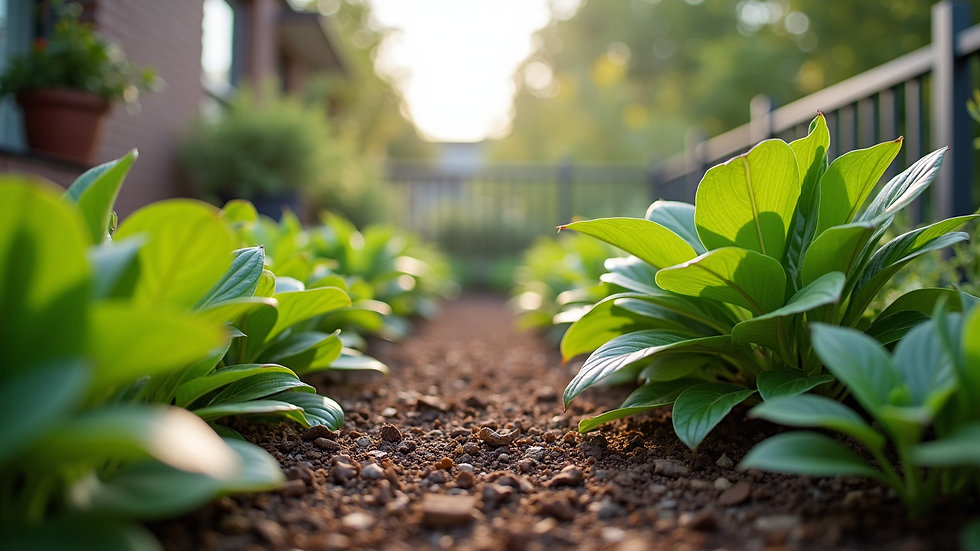
Mulch your beds: Mulching conserves moisture, suppresses weeds, and adds organic matter to the soil.
Encourage beneficial insects: Ladybugs, bees, and earthworms help control pests and pollinate plants.
Reduce plastic use: Opt for biodegradable pots and avoid single-use plastics in your gardening routine.
Implementing these strategies not only benefits your plants but also helps you save money and reduce your carbon footprint. Remember, every little effort counts!
How Can We Make Green Color Naturally?
Have you ever wondered how to create green pigments naturally? This question is especially relevant for those interested in natural dyes or eco-friendly art projects related to gardening.
Green color in nature primarily comes from chlorophyll, the pigment responsible for photosynthesis in plants. To extract green naturally, you can use leaves from spinach, nettle, or kale. Here’s a simple method:
Collect fresh green leaves and wash them thoroughly.
Chop the leaves finely to increase surface area.
Simmer the leaves in water for about 30 minutes to extract the pigment.
Strain the liquid to remove solid bits.
Use the green liquid as a natural dye or pigment.
This process is not only eco-friendly but also connects you with the natural world in a hands-on way. Plus, it’s a fun experiment to try with kids or fellow gardening enthusiasts!
Creating a Naturally Green Garden Space
When we talk about a naturally green garden, we mean a space that thrives with minimal artificial inputs, relying on nature’s own cycles. Achieving this involves more than just planting greenery—it’s about fostering a balanced ecosystem.
Start by improving your soil health. Healthy soil is the foundation of a naturally green garden. Use organic matter like compost and avoid synthetic chemicals that can harm beneficial microbes. Next, diversify your plant selection. Mix flowering plants, herbs, vegetables, and shrubs to attract pollinators and beneficial insects.
Water management is another key factor. Use drip irrigation or soaker hoses to minimize water waste. Collect rainwater in barrels to reduce dependence on municipal supplies. Also, consider companion planting—certain plants grow better together and can naturally repel pests.
By designing your garden with these principles, you create a resilient, self-sustaining environment that requires less maintenance and yields more joy.
Bringing Sustainable Green Practices Indoors
Sustainable green practices aren’t limited to outdoor gardens. Indoor plants can also benefit from eco-friendly care. Here’s how you can bring sustainability inside your home:
Use organic potting mix: Avoid mixes with synthetic fertilizers.
Repurpose containers: Use old jars, tins, or wooden boxes as plant pots.
Water wisely: Use leftover water from cooking or boiled vegetables to nourish your plants.
Choose low-maintenance plants: Succulents, snake plants, and pothos require less water and care.
Natural pest control: Use neem oil or soap sprays instead of chemical pesticides.
Indoor plants improve air quality and add a touch of nature to your living space. By caring for them sustainably, you extend your green lifestyle beyond the garden.
Your Journey Towards a Greener Tomorrow
Embracing sustainable green practices is a journey filled with learning and growth. Each step you take towards eco-friendly gardening helps build a healthier environment for future generations. Whether you’re planting your first seed or managing a flourishing urban farm, remember that your efforts matter.
By choosing to garden with care, you’re not just growing plants—you’re cultivating a connection with the earth. So, why wait? Start small, stay consistent, and watch your green space transform into a vibrant, sustainable haven.
Happy gardening!


Comments